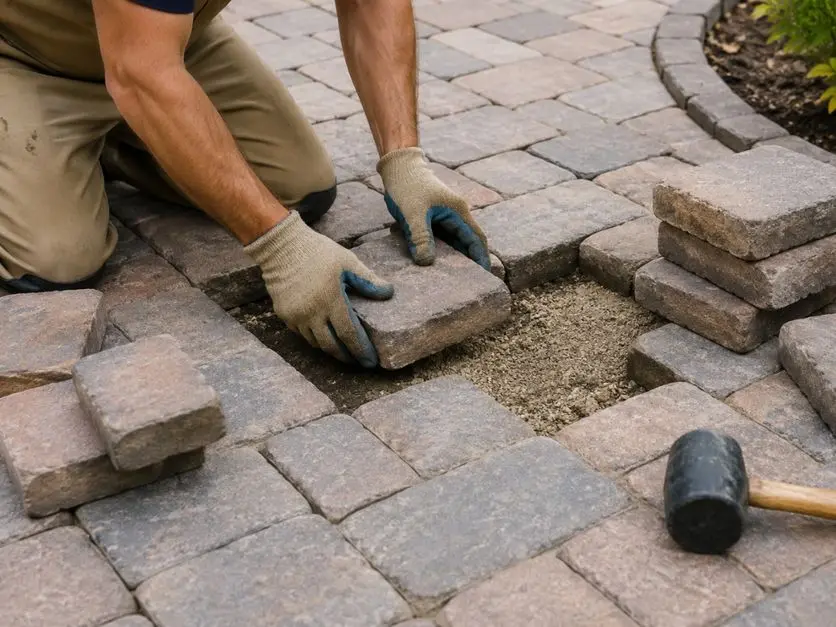
Are you considering installing a paver patio to enhance your outdoor space? Before diving into your next paver patio installation project, it’s crucial to be aware of the common paver installation mistakes to avoid.
Properly laying pavers can transform your outdoor living space, providing a durable and visually appealing surface for relaxation and entertainment. However, overlooking key aspects of the installation process can lead to costly repairs and disappointment down the road.
This article explores the critical areas where homeowners often stumble in their paver installation journey, and offers expert tips to avoid common mistakes and ensure a successful installation that stands the test of time.
Mistake #1: Neglecting Site Preparation
When it comes to installing a paver patio, the foundation sets the stage for a sturdy and long-lasting surface. One of the common paver installation mistakes to avoid is neglecting proper site preparation.
Without adequate attention to this step, homeowners risk encountering issues such as uneven surfaces, unstable pavers, and pooling water.
To avoid this mistake, prioritize thorough site preparation, including excavation to the appropriate depth, compacting the soil, and ensuring proper drainage.
By taking these steps, you’ll create a solid base for your patio pavers, promoting their structural integrity and longevity.
Mistake #2: Lack of Proper Base Material Selection
Selecting the right base materials is another crucial aspect of patio paver installation. Using the wrong type or inadequate amount of base material can compromise the stability and durability of your paver surface.
Gravel, sand, and crushed stone are common choices for base materials, each offering unique advantages depending on the specific project requirements. Before installing pavers, carefully evaluate your options and calculate the quantity needed to create a compacted base that supports the weight of the pavers and provides proper drainage.
By choosing the appropriate base material, you’ll lay the groundwork for a successful installation that withstands the elements and heavy foot traffic.
Mistake #3: Poor Paver Alignment and Pattern Layout
Improper alignment and pattern layout are common paver installation mistakes that can detract from the visual appeal and structural integrity of your patio.
When laying pavers, it’s essential to pay attention to detail and ensure uniformity throughout the installation process. One mistake homeowners often make is failing to establish straight lines and consistent spacing between pavers.
To avoid this, utilize tools such as string lines and chalk markings to maintain precise alignment. Additionally, consider incorporating interlocking patterns like herringbone or basketweave, which not only enhance the aesthetic appeal but also improve stability by securely locking the pavers together.
By prioritizing proper alignment and pattern layout, you’ll create a visually pleasing and structurally sound outdoor space that enhances your home’s curb appeal.
Mistake #4: Inadequate Edge Restraints
Neglecting to install adequate edge restraints is another paver installation mistake that can lead to issues such as paver displacement and tripping hazards.
Edge restraints play a crucial role in securing the perimeter of your patio and preventing the spread of pavers over time. Homeowners often underestimate the importance of this step or opt for subpar materials, such as plastic or weak metal edging. Instead, prioritize sturdy edge restraints made from durable materials like concrete or steel.
Proper installation and spacing of edge restraints along the perimeter of your patio will help maintain the integrity of the paver surface and minimize the risk of costly repairs down the line.
Mistake #5: Improper Joint Sand Application
Filling the joints between pavers with joint sand is a critical step in the patio paver installation process, but it’s one that homeowners often overlook or execute improperly.
Joint sand serves multiple purposes, including stabilizing the pavers, preventing weed growth, and minimizing water infiltration. However, using the wrong type of sand or applying it incorrectly can compromise its effectiveness.
To avoid this installation mistake, select polymeric sand designed specifically for paver joints and follow manufacturer guidelines for application. Ensure thorough coverage and proper compaction to create a stable surface that withstands the elements and inhibits weed growth. By prioritizing proper joint sand application, you’ll enhance the longevity and appearance of your paver patio.
Mistake #6: Overlooking Proper Drainage
Inadequate drainage is another common mistake homeowners make that can lead to a host of problems, including pooling water, erosion, and structural damage.
Proper drainage is essential to prevent water from accumulating on the surface of your patio and causing issues over time. Many homeowners neglect to incorporate a slight slope into the patio area to facilitate water runoff.
Without proper slope, water may collect in low-lying areas, leading to unsightly puddles and potential damage to the paver surface.
To avoid this mistake, carefully plan the slope of your patio during the design phase and ensure that water is directed away from the foundation of your home. Additionally, consider incorporating features such as French drains or channel drains to further enhance drainage and minimize water-related issues.
By prioritizing proper drainage, you’ll safeguard the structural integrity and longevity of your patio, ensuring years of enjoyment without the hassle of water-related problems.
Mistake #7: Neglecting Sealing and Maintenance
One of the most overlooked aspects of patio paver installation is post-installation sealing and maintenance.
Many homeowners assume that once the pavers are in place, their work is done. However, neglecting proper sealing and maintenance can result in premature wear and deterioration of the paver surface.
Sealing your patio pavers helps protect them from stains, fading, and the effects of extreme weather conditions. Additionally, regular maintenance, such as cleaning and inspecting concrete pavers for damage or shifting, is essential for preserving the integrity and appearance of your outdoor space.
By prioritizing sealing and maintenance as part of your paver installation project, you’ll ensure long-term durability and enjoyment of your patio area.
Takeaway
Avoiding paver installation mistakes is crucial for creating a lasting and attractive outdoor space. Whether you’re DIY-ing or hiring professionals, attention to detail in site preparation, material selection, alignment, edge restraints, joint sand application, sealing, and ongoing maintenance is key.
If you’re looking for expert assistance with your paver patio project, consider reaching out to Eli’s Pavor Patios for professional guidance and impeccable craftsmanship.